9+ Specialized Rental Niches : Passive Income Ideas (2026) Financial Freedom Strategies Leaked
Camping and Outdoor Gear Rental
The Core Idea: Renting high-quality camping and outdoor equipment (tents, sleeping bags, backpacks, stoves, coolers) to casual campers, festival-goers, and traveling families who want the experience without the investment or storage hassle.
How It’s Passive: You curate complete “Camping Kits” for different group sizes and trip types. Customers book online for their trip dates. You offer contactless pickup/drop-off or shipping. Rental software manages inventory and payments. Your active work is cleaning, maintenance, and restocking kits between rentals.
Income Reality: Price: $30-$100/day per person for a full kit; weekend packages from $75-$250. Target: City dwellers, international tourists, university students, and families. Revenue: 10-20 rentals per month in peak season can generate $3,000-$8,000/month with strong seasonal peaks.
The Brutal Truth: Gear comes back dirty, wet, and sometimes broken. You are in the laundry and repair business. Moldy tents, broken poles, and lost stakes are constant costs. You need a rigorous cleaning, inspection, and repair protocol, plus a significant security deposit to cover inevitable wear and tear.
First $100 Path: 1) Start with 2 complete “Weekend Getaway Kits” for 2 people (tent, bags, pads, stove). 2) List them on a local gear-sharing platform (Spinlister) or your own simple site. 3) Partner with one local Airbnb host specializing in rural cabins to recommend your kits to their guests for a 15% commission.
Tools Needed: Inventory: Durable, reputable outdoor brands. Storage: Clean, dry warehouse space. Platform: Booqable or outdoor-specific like Kit Lender. Logistics: Vehicle for local deliveries.
Time Investment: Setup & Kit Assembly: 50 hours. Per Rental: 2-3 hours (check-in/out, cleaning, repair). Off-season: Low.
Perfect For: Outdoor enthusiasts, ex-guides, and practical organizers who don’t mind getting their hands dirty cleaning gear.
Avoid If: You are squeamish about dirt, have no storage space, or live in a climate with a very short camping season.
Execution Steps to Follow
Step 1: Design Your Rental Kits (Week 1-3)
- Focus on Car Camping, Not Mountaineering: Choose robust, easy-to-use gear for beginners (instant tents, synthetic sleeping bags, simple canister stoves).
- Create “Experience” Packages: Build kits for specific trips: “2-Person Weekend,” “Family Car Camping (4),” “Festival Glamping” (add rug, lanterns).
- Invest in Organization: Use large, clear plastic bins for each kit. Pack them with a printed inventory checklist.
Step 2: Build Your Operational Hub (Week 4-5)
- Set Up Your “Gear Hospital”: Designate areas for: dirty gear intake, cleaning/drying, repair, and ready-to-rent storage.
- Implement Your Rental Software: Create listings for each kit with clear photos of contents. Use the software to manage seasonal pricing.
- Develop Your Cleaning SOP: A non-negotiable checklist: Air out and dry tents, wash sleeping bag liners, disinfect stoves, inspect all items for damage.
Step 3: Launch with Strategic Tourism Partnerships (Week 6-7)
- Target Tourism Channels: List your kits on tourism websites, partner with visitor bureaus, and get listed as a service for nearby national/state parks.
- Reach Travelers Directly: Use targeted Facebook/Instagram ads to people searching for flights or planning trips to your region.
- Offer a “Add-On Essentials” Package: For an extra fee, include local firewood, a pre-charged power bank, and a local trail map.
Step 4: Systemize for Scale and Seasonality (Month 3+)
- Hire for the “Gear Hospital”: Your first hire should handle cleaning, drying, and basic repairs. This is critical for quality control and your time.
- Implement an Off-Season Strategy: Offer deep cleaning and storage services for individuals’ personal gear. Sell or consign used rental gear to refresh inventory.
- Expand into Experiences: Partner with a local guide to offer “Fully Outfitted Day Hikes” or “Camping 101 Workshops” using your gear, creating a new revenue stream.
Pro Tip: Create a “Gear Subscription for Frequent Campers.” For a monthly fee ($50-$80), offer members 1-2 camping kit rentals per month with discounted rates on additional days. This builds a community of repeat customers, provides predictable off-peak income, and turns casual renters into loyal advocates.
Baby and Toddler Equipment Rental
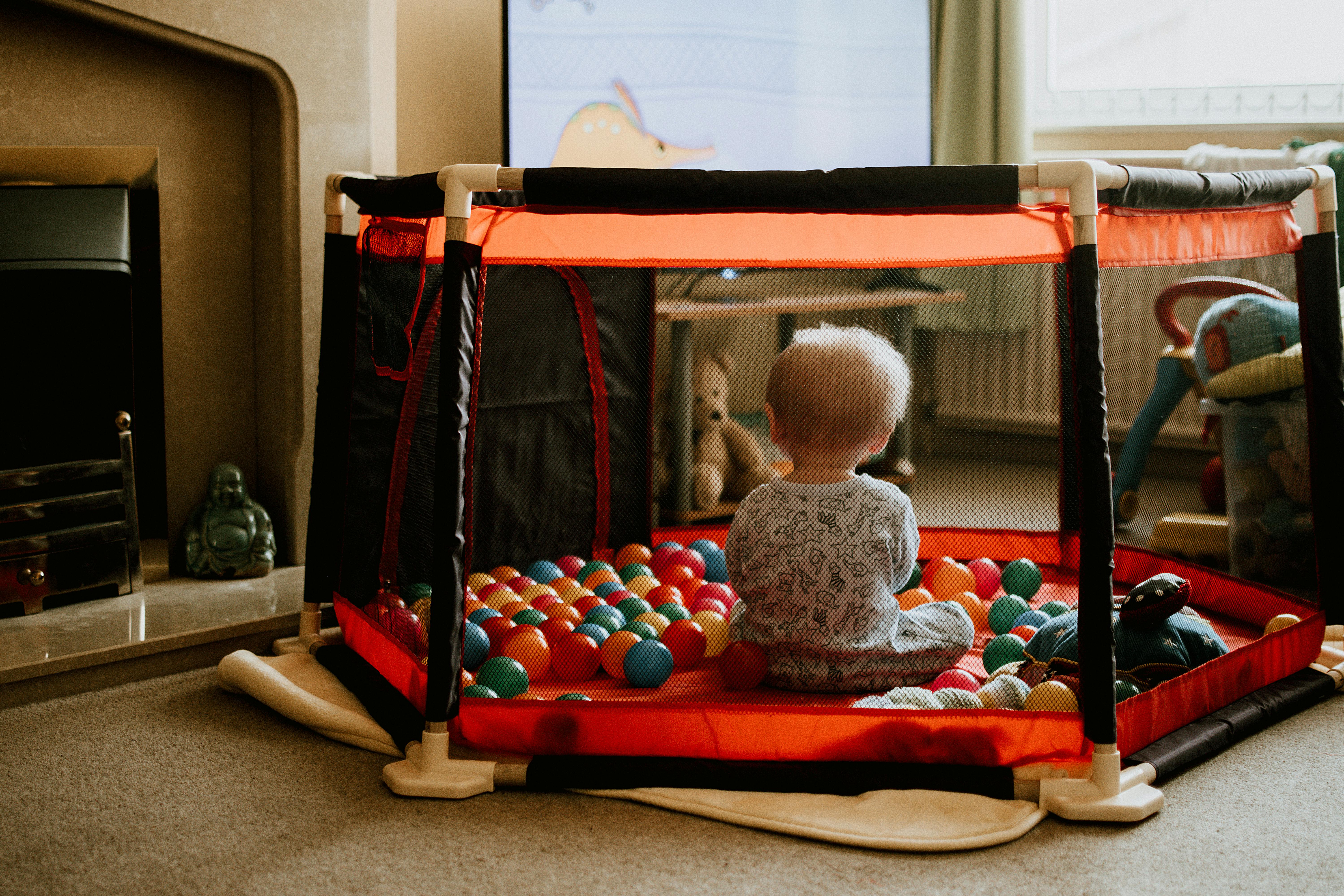
The Core Idea: Renting clean, safe, and high-quality baby gear (travel cribs, strollers, car seats, high chairs, baby monitors) to traveling families, grandparents hosting visits, or locals needing short-term items for guests or between purchases.
How It’s Passive: You curate suites of gear (e.g., “Newborn Travel Kit,” “Toddler Vacation Bundle”). Families book online for their trip dates. You offer delivery to hotels/airbnbs or airport/hotel pickup. Rental software handles bookings and payments. Your active role is meticulous cleaning, safety inspections, and inventory management.
Income Reality: Price: $5-$25/day per item; bundles from $40-$150/week. Target: Traveling families (domestic & international), visiting grandparents, temporary caregivers. Revenue: A steady flow of 10-20 weekly rentals can generate $4,000-$8,000/month, especially in tourist hubs.
The Brutal Truth: You are in the safety and sanitation business, not just rentals. A single safety recall you miss or a cleaning oversight can have catastrophic consequences. You must have obsessive processes for tracking recalls, deep-cleaning every item (disassembling strollers, sanitizing every crevice), and verifying item expiration dates (especially for car seats).
First $100 Path: 1) Start with 3-5 of the most requested travel items: a lightweight travel crib, a compact stroller, and a convertible car seat. 2) List them on a simple site and on family travel Facebook groups for your city. 3) Partner with 2-3 premium Airbnb hosts, offering to provide gear for their guests for a fee split.
Tools Needed: Inventory: JPMA-certified, reputable brands. Cleaning: Commercial-grade steamer, sanitizers, parts washer. Platform: Booqable or baby-specific like BabyQuip. Transport: Reliable vehicle.
Time Investment: Setup & Sourcing: 40 hours. Per Rental: 2-3 hours (cleaning, inspection, delivery coordination). Ongoing: 10-15 hrs/week (cleaning, admin).
Perfect For: Parents, former nannies, nurses, and detail-oriented organizers who understand child safety and appreciate pristine cleanliness.
Avoid If: You are casual about hygiene, unfamiliar with child product safety standards, or uncomfortable with the liability.
Your Step-by-Step Build Plan
Step 1: Source Gear and Establish Safety Protocols (Week 1-4)
- Choose Travel-Friendly, Durable Gear: Focus on items that are airline-checkable, easy to clean, and from brands with good longevity (e.g., BabyBjorn, UPPAbaby, Guava).
- Implement a Recall Monitoring System: Subscribe to CPSC and manufacturer alerts. Create a spreadsheet with each item’s model number, manufacture date, and recall status.
- Design Your “Hospital-Grade” Cleaning Station: Have separate areas for dirty intake, disassembly, cleaning/sanitizing, drying, and reassembly/inspection.
Step 2: Build Your Rental Packages and Tech Stack (Week 5-6)
- Create Logical Bundles: “Newborn Bundle” (crib, bassinet, bouncer), “Airport-to-Hotel Bundle” (car seat, stroller), “Feeding Bundle” (high chair, sterilizer).
- Set Up Your Booking Engine: Use Booqable. Include mandatory fields for child’s age/weight to ensure correct car seat rental. Clearly display your safety and cleaning standards.
- Automate Communication: Create email templates with setup instructions, cleaning guarantees, and safety guidelines sent upon booking.
Step 3: Launch Targeting the Travel Ecosystem (Week 7-8)
- Forge Hotel & Airbnb Partnerships: Pitch concierges and property managers as a premium amenity for their family guests. Offer them a referral fee.
- List on Travel Platforms: Get listed on family travel blogs, sites like TravelBabee, and local tourism boards.
- Offer “Airport Meet & Greet”: For a premium, meet families at baggage claim with their gear, already installed in their rental car. This is a huge value-add.
Step 4: Systemize Operations and Build Trust (Month 3+)
- Document Everything: Create photo/video logs of each item’s condition before and after rental. This protects you and proves your diligence.
- Hire a Cleaning/Logistics Specialist: Your first hire is critical to maintain standards. Train them thoroughly on your safety and cleaning SOPs.
- Develop a “Gear Subscription” for Locals: Offer a monthly membership for grandparents or part-time caregivers to rent items as needed, creating predictable recurring revenue.
Pro Tip: Offer a “Baby Proofing & Gear Setup” Service. For an additional $100-$200, offer to deliver and set up all rented gear in the client’s rental home, including a basic safety check (securing furniture, covering outlets). This transforms your service from a transaction into a seamless, stress-relieving experience, justifying a significant premium.
Medical Equipment for Home Care
The Core Idea: Renting out durable medical equipment (DME) such as wheelchairs, hospital beds, patient lifts, nebulizers, and oxygen concentrators to individuals recovering at home, seniors aging in place, or hospice patients, often coordinated with insurance or private pay.
How It’s Passive: You build an inventory of approved medical equipment. Referrals come from discharge planners, insurance case managers, or direct families. The rental software manages scheduling and billing. Your active role is delivery, setup, patient/caregiver education, and equipment sanitization tasks that can be systemized and potentially delegated.
Income Reality: Price: Billed per month, often $100-$500+/item, frequently covered by insurance/Medicare. Target: Hospitals, rehab centers, home health agencies, hospice organizations, and private families. Revenue: A small fleet of 20-30 active rentals can generate $5,000-$15,000+ per month in stable, long-term revenue.
The Brutal Truth: This is a highly regulated, paperwork-intensive business with significant liability. You must navigate insurance billing (ICD-10 codes, prior authorizations), comply with strict sanitation regulations (HIPAA, OSHA), and understand complex eligibility requirements. The margins are good, but the barrier to entry is regulatory compliance, not just capital.
First $100 Path: This is not a “first $100” business; it’s a “first contract” business. 1) Secure 1-2 core pieces of equipment (a hospital bed, a wheelchair). 2) Get accredited and insured. 3) Build a relationship with one local home health agency or social worker. Secure your first patient referral and successfully process the insurance claim.
Tools Needed: Inventory: FDA-cleared DME. Credentials: Business license, insurance, possibly Medicare accreditation. Software: DME-specific billing/rental software (e.g., Brightree, Portabilium). Logistics: Sanitization equipment, compliant transport.
Time Investment: Setup (Legal/Regulatory): 100+ hours. Per Rental: 3-5 hours (intake, delivery/education, billing follow-up). Ongoing: 20-30 hrs/week (billing, compliance, client management).
Perfect For: Healthcare administrators, nurses, or detail-oriented systemizers who are comfortable with regulations, paperwork, and have a compassionate, professional demeanor.
Avoid If: You are intimidated by complex regulations, slow reimbursement cycles, or the emotional aspects of working with ill and elderly clients.
Your Step-by-Step Build Plan
Step 1: Navigate the Regulatory Landscape (Week 1-8)
- Business Formation & Licensing: Form an LLC. Obtain all necessary state DME/provider licenses. Secure robust liability and malpractice insurance.
- Pursue Medicare/Insurance Credentialing: If targeting insurance reimbursement, begin the lengthy process of applying for a National Provider Identifier (NPI) and enrolling with Medicare/Medicaid and private insurers.
- Develop Compliance Protocols: Create HIPAA-compliant intake forms, OSHA-aligned sanitization procedures, and equipment maintenance logs.
Step 2: Acquire Inventory & Build Systems (Month 3-4)
- Start with High-Demand, Low-Complexity Items: Begin with manual wheelchairs, walkers, commodes, and bedside tables before moving to complex items like oxygen or infusion pumps.
- Implement DME Management Software: Choose a platform that handles rental tracking, billing codes, and insurance claims submissions.
- Set Up a Compliant Cleaning Facility: Designate a clean/dirty flow for equipment, using EPA-registered hospital-grade disinfectants.
Step 3: Launch via Professional Referrals (Month 5)
- Build Your “Discharge Kit”: Create professional packets for hospital discharge planners and social workers. Include your services, insurance info, and easy referral forms.
- Conduct “Lunch & Learns”: Visit local rehab centers, senior communities, and home health agencies to educate staff on your services.
- Start with Private-Pay Marketing: In parallel, create a simple website for families searching for equipment, offering clear private-pay rates for faster, simpler transactions.
Step 4: Systemize Delivery and Scale (Month 6+)
- Create a “Patient Setup” Protocol: Train a technician (or yourself) to not only deliver equipment but also patiently educate the family on its safe use.
- Master the Billing Cycle: Dedicate time weekly to follow up on submitted claims and manage Accounts Receivable. Cash flow is a primary challenge.
- Expand Your Referral Network: As revenue stabilizes, consider hiring a part-time community liaison to nurture relationships with key referral sources.
Pro Tip: Specialize in a Niche Within DME. Instead of being a generalist, become the local expert in one area, such as “Bariatric Equipment Rental” or “Pediatric Home Care Equipment.” This reduces competition, allows you to charge premium rates, and makes you the go-to resource for specific, complex patient needs, simplifying your marketing and inventory focus.
Accessibility Equipment Rental
The Core Idea: Renting short-term accessibility and mobility equipment (portable ramps, pool lifts, beach wheelchairs, shower chairs, stairlifts) for events, travel, or temporary home needs, serving individuals with disabilities, seniors, and event organizers complying with ADA requirements.
How It’s Passive: You maintain an inventory of specialized accessibility solutions. Customers (individuals, families, venues) book for specific dates. You deliver, install if needed, and provide instruction. Rental software manages the calendar. Your active role is focused on logistics, customer education, and equipment maintenance tasks that become routine with systems.
Income Reality: Price: $50-$300/day for major items; events can be $500-$2,000+. Target: Event venues, hotels, vacation rental owners, families hosting relatives, and individuals planning accessible travel. Revenue: Serving a mix of event and individual clients can generate $4,000-$10,000/month, especially in metro or tourist areas.
The Brutal Truth: Equipment is highly specialized, expensive, and requires precise setup for safety. A misinstalled ramp or malfunctioning lift can cause serious injury. You need deep product knowledge, rigorous safety checks, and potentially certified installers for complex items. Liability insurance is non-negotiable and costly.
First $100 Path: 1) Start with 2-3 high-impact, portable items: a modular wheelchair ramp and a heavy-duty shower chair. 2) List them on peer rental sites and local disability resource directories. 3) Offer a free 1-day rental to a local community center or small theater in exchange for a case study and referral.
Tools Needed: Inventory: ADA-compliant equipment from reputable manufacturers. Transport: Van or truck with lift gate. Tools: Installation hardware, safety testing gear. Software: Booqable or similar. Insurance: High-limit liability policy.
Time Investment: Setup & Sourcing: 60 hours. Per Rental: 2-4 hours (consultation, delivery/install, pickup). Maintenance: 5-10 hrs/week.
Perfect For: Occupational therapists, healthcare workers, adaptive sports enthusiasts, or empathetic problem-solvers passionate about inclusion.
Avoid If: You lack patience for detailed instruction, are uncomfortable discussing accessibility needs, or are not meticulous about safety.
Your Step-by-Step Build Plan
Step 1: Identify Core Needs & Source Equipment (Week 1-4)
- Map the Accessibility Gap: Research common barriers for temporary needs: getting into a home (ramps), using a bathroom (shower chairs), enjoying a venue (beach/pool chairs, event viewing platforms).
- Invest in Versatile, Durable Gear: Choose equipment known for reliability and ease of use (e.g., modular aluminum ramps, inflatable beach wheelchairs). Avoid overly complex medical-looking gear for this market.
- Build a Knowledge Base: Become an expert on the weight capacity, setup time, and ideal use case for every item.
Step 2: Develop Your Service Model & Systems (Week 5-6)
- Create Clear Rental Packages: “Home Visit Package” (ramp, grab bars), “Travel Package” (portable toilet frame, bed rail), “Event Accessibility Package” (ramps, platform).
- Implement a Mandatory Consultation: Use a brief phone/video call before booking to ensure the equipment is appropriate and the client understands setup.
- Set Up Your Operational Hub: Designate space for equipment storage, cleaning, and minor repairs. Create photo-based setup guides for clients.
Step 3: Launch with Partnership-First Marketing (Week 7-8)
- Target the Hospitality & Events Industry: Pitch wedding venues, hotels, Airbnb property managers, and corporate event planners. Frame your service as their ADA compliance solution.
- Connect with Disability Organizations: List your service with local Centers for Independent Living, VA hospitals, and senior centers.
- Build an Educational Presence: Create simple blog posts or videos (e.g., “How to Make Your Backyard Wedding Accessible”) to attract organic search traffic.
Step 4: Systemize for Safety and Scale (Month 3+)
- Develop a “Safety Check” Protocol: A pre- and post-rental inspection checklist signed by the client and your technician.
- Train a Delivery/Install Technician: Hire someone with mechanical aptitude and a compassionate demeanor. They become the face of your service.
- Explore Long-Term Rental Options: Offer monthly rentals for families with a visiting relative or individuals waiting for permanent equipment, creating stable recurring revenue.
Pro Tip: Offer an “Accessibility Audit & Rental” Package. For event planners or vacation rental owners, offer a site visit where you assess their space, recommend specific equipment from your inventory, and provide a bundled rental quote. This positions you as a consultant and locks in larger, more valuable rentals while solving a real problem for your client.
Trade Show and Exhibition Equipment
The Core Idea: Renting out modular exhibition booths, display systems, lighting, monitors, and AV equipment to businesses attending trade shows, conferences, and pop-up marketing events.
How It’s Passive: You invest in high-quality, modular display systems (like Modwall, Optima) and supporting tech. Companies book complete “Exhibition Kits” for their event dates. Your software manages complex logistics. Your active role is in kit configuration, logistics coordination, and maintaining relationships with show freight partners tasks that become systematized.
Income Reality: Price: $1,000 – $5,000+ per show for a full booth package. Target: Small-to-mid-sized B2B companies, startups, marketing agencies. Revenue: Servicing 3-5 shows per month can generate $10,000-$25,000+ in revenue with high margins on the rental (after the initial kit investment).
The Brutal Truth: Trade show logistics are a high-stress, high-stakes puzzle. A missed delivery deadline, damaged graphics, or a missing monitor cable can ruin a client’s $50,000 marketing investment. You need impeccable inventory tracking, reliable freight partners, and the ability to troubleshoot remotely under intense pressure.
First $100 Path: 1) Start with one versatile 10×10 ft. modular booth system and basic lighting. 2) List it on marketplace sites like Booqable or directly approach 5 local marketing agencies. 3) Offer it at cost for a small local show to an agency in exchange for a detailed case study and professional photos.
Tools Needed: Inventory: Modular displays, monitors, lighting, counters, storage. Logistics: Reliable freight partners, custom crates. Software: Advanced rental platform (Booqable, Rentivity). Design: Partner with a graphic printer for client banners.
Time Investment: Setup & Initial Investment: 80-120 hours. Per Show: 5-15 hours (consultation, kit prep, logistics management, post-show check-in). Off-season: Variable.
Perfect For: Former event planners, project managers, and detail-obsessed organizers who thrive under pressure and love solving complex logistical puzzles.
Avoid If: You dislike last-minute chaos, are uncomfortable with large upfront costs, or cannot manage multiple moving parts and client expectations simultaneously.
Your Step-by-Step Build Plan
Step 1: Design Your Core Exhibition Kits (Week 1-4)
- Invest in Modular, Durable Systems: Choose a display system that is easy to assemble, lightweight for shipping, and highly configurable (backwall, counters, shelving).
- Create Tiered Packages: “Startup Lite” (backwall, monitor, lighting), “Professional Standard” (add counters, storage, iPad stands), “Executive Presence” (double deck, lounge furniture).
- Partner with a Graphics Printer: Establish a referral relationship with a local print shop for client’s custom banners and graphics, earning a commission.
Step 2: Build Your Operational Backbone (Week 5-7)
- Implement Advanced Rental Software: Use a platform that can handle complex bookings, accessory add-ons, and multiple shipping addresses (to show floor, back to warehouse).
- Develop a “Show Kit” Binder: For each rental, provide a physical binder with assembly instructions, inventory checklist, freight labels, and emergency contact info.
- Secure Freight Partnerships: Contract with reliable national and regional freight carriers familiar with show logistics and deadlines.
Step 3: Launch by Leveraging Industry Networks (Week 8-9)
- Target Marketing & Event Agencies: They are constant buyers of such services for their clients. Offer them a white-label or preferred partner rate.
- Exhibit at a “Show for Shows”: Rent a small booth at an event planner or marketing expo to demonstrate your kits directly to buyers.
- Create a “Concierge” Service Tier: Offer to manage the entire process graphics coordination, shipping paperwork, and onsite assembly through a contracted crew for a premium fee.
Step 4: Systemize for Growth and Resilience (Month 3+)
- Hire a Logistics Coordinator: Your first hire should manage kit prep, shipping schedules, and client communication. This is critical for scaling.
- Implement a Redundancy System: Have backup monitors, cables, and critical display parts for every show to solve problems instantly.
- Expand into Adjacent Rentals: Offer complimentary rentals for conference rooms or product launches (portable stages, PA systems, cocktail furniture) to become a full-service event rental partner.
Pro Tip: Offer a “Booth Performance Analytics” Add-On. Partner with a tech provider to include a simple people-counter or engagement sensor in your rental package. For an extra fee, provide the client with a post-show report on foot traffic and dwell time at their booth. This transforms your rental from a commodity into a data-driven marketing tool, justifying a much higher price point.
How a Rental Business Funds Your Digital Nomad Life and Free Living Lifestyle
Forget the myth that you need a purely digital business to be location-free. A specialized rental business, built with the right systems, can be your most powerful passport to nomadic freedom. It trades local presence for global management, turning physical assets into automated income streams from anywhere.
Here’s how building this model unlocks the core pillars of the Banxara lifestyle:
1. Location Freedom: Manage Your Fleet, Not a Storefront
Your “warehouse” can be a single storage unit in a strategic city, managed by a hired local crew or a 3PL partner. Your entire operation customer inquiries, bookings, payments, and even delivery coordination runs through cloud-based software.
- The Nomad Reality: You can be reviewing a new equipment supplier from Mexico City, answering a client’s email from a Lisbon cafe, and approving a weekly payout to your logistics manager in Denver all within the same hour. The business is anchored by assets, not by your physical presence.
2. Time Freedom: Escape the Daily Grind for Strategic Management
Unlike a service business where you trade hours directly for money, a rental business generates income from assets that are “working” even when you’re not. Your role shifts from day-to-day labor to system oversight and growth strategy.
- The Nomad Reality: After the initial setup phase, your week isn’t filled with manual tasks. It’s spent analyzing which gear has the highest ROI, optimizing your online listing SEO from a co-working space in Bali, and planning your next inventory purchase. You control your schedule, reacting to issues instead of being consumed by operations.
3. Financial Freedom: Build Tangible Equity with Recurring Revenue
This isn’t speculative income. You own valuable equipment that appreciates in utility even as it depreciates on paper. More importantly, you build a client base and systems that generate predictable, recurring cash flow.
- The Nomad Reality: That recurring monthly revenue from medical equipment leases or seasonal wedding decor packages acts as a financial runway. It pays for flights, visas, and experiences without the anxiety of finding your next freelance gig. It diversifies your income into tangible assets, creating stability that pure freelancing or volatile online ventures often lack.
You’re not building a job; you’re building an asset-based remote management company. It provides the three non-negotiables for sustained nomadic life: the ability to earn from anywhere, the control to design your days, and the financial stability to explore on your own terms.
Frequently Asked Questions (FAQ)
1. How much capital do I need to start a specialized rental business?
This varies wildly by niche. You can start a low-capital rental (e.g., party gaming setups, baby gear) with $2,000 – $5,000 for initial inventory. High-capital niches (trade show booths, medical equipment) require $10,000 – $30,000+. The key is to start small with 2-3 core items, validate demand, and reinvest profits.
2. Can I truly run this remotely from day one?
No, not from day one. The initial phase (1-3 months) requires hands-on work: sourcing gear, building systems, establishing local logistics/delivery partnerships, and launching marketing. The goal is to systemize yourself out of daily operations within 6 months, at which point remote management becomes viable.
3. How do I handle logistics, storage, and deliveries as a nomad?
This is your core operational challenge. The solution is local partners: Hire a part-time logistics manager, contract with a 3PL (Third-Party Logistics) warehouse, or use a service like Fetch for storage/delivery. Your job becomes managing these partners via phone/email, not doing the physical work yourself.
4. What’s the biggest risk with rental businesses?
Damage, loss, and liability. A single lost $3,000 camera or a lawsuit from a faulty wheelchair ramp can erase profits. Mitigate this with: 1) Robust insurance (commercial liability, inland marine), 2) Substantial security deposits/holds, and 3) Meticulous check-in/check-out documentation (photos, videos, signed condition reports).
5. How do I deal with seasonality in rental income?
Most niches have peaks (weddings in summer, trade shows in spring/fall). Plan your annual budget around this. Use the off-season for: deep maintenance, updating marketing, developing new packages, and pursuing long-term rentals (e.g., monthly medical equipment leases) to create baseline income.
6. Is this sustainable for a full-time nomadic lifestyle long-term?
Yes, if built as a systems-first business. It provides real asset equity and recurring revenue that purely digital businesses often lack. The long-term sustainability comes from: building a strong brand in your niche, having impeccable systems, and developing a core of repeat corporate clients (event planners, agencies, hospitals) who provide predictable, large-volume bookings.
Conclusion: Your Ticket to an Asset-Based Freedom 🙂
The dream isn’t to work remotely on someone else’s terms. The dream is to own the assets that create your freedom.
A specialized rental business is that rare hybrid: a real-world, valuable service that can be managed with digital-age tools and mindset. It’s not a quick flip. It’s a deliberate build. You’re constructing a portfolio of things that solve real problems for people, and in doing so, you’re buying back your own time, location, and choices.
Your journey starts by picking the niche that aligns with your skills, capital, and curiosity. Then, you commit to the process not of being a forever-operator, but of being the architect who builds a machine that works reliably without you.
The global demand for temporary access over permanent ownership is only growing. The software to manage it is mature. The nomadic infrastructure to support it exists.
The only question left is which niche you’ll claim.
Your first asset awaits. Start building the system around it.
Some of the links shared in this post are affiliate links. If you click on the link & make any purchase, we will receive an affiliate commission at no extra cost of you.
